
Pandion Contemporary Office Building
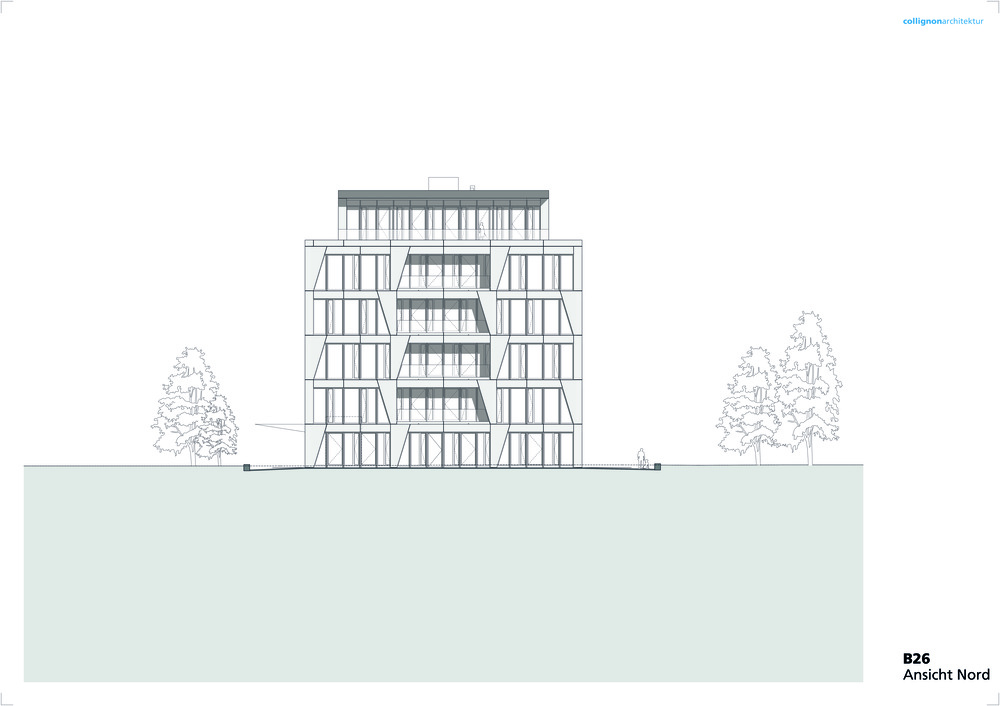
Pandion OFFICEHOME Zinc is a commercial office building in Berlin that brings together flexible workplace requirements with a robust architectural response to a former industrial site. Internally, the building is designed to support adaptable patterns of work. Externally, it presents a durable and restrained façade solution appropriate to its urban context. Central to this approach is a ventilated rainscreen façade constructed from hot dip galvanized steel sheet, where structure, appearance and long-term performance are closely integrated.
The project provides a clear example of how galvanized steel can operate simultaneously as a façade material, a long-term corrosion protection system and a component within a circular, certification-oriented building strategy.
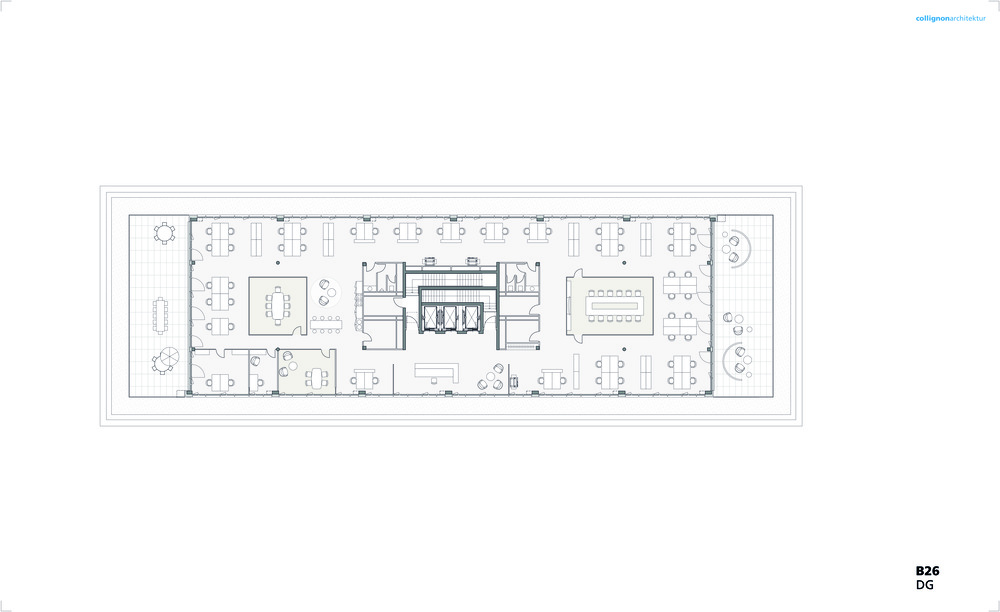
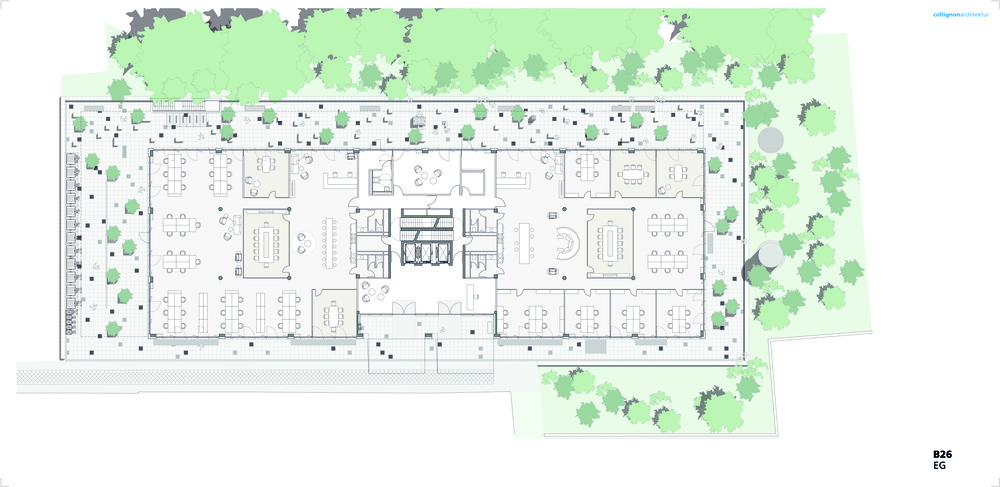
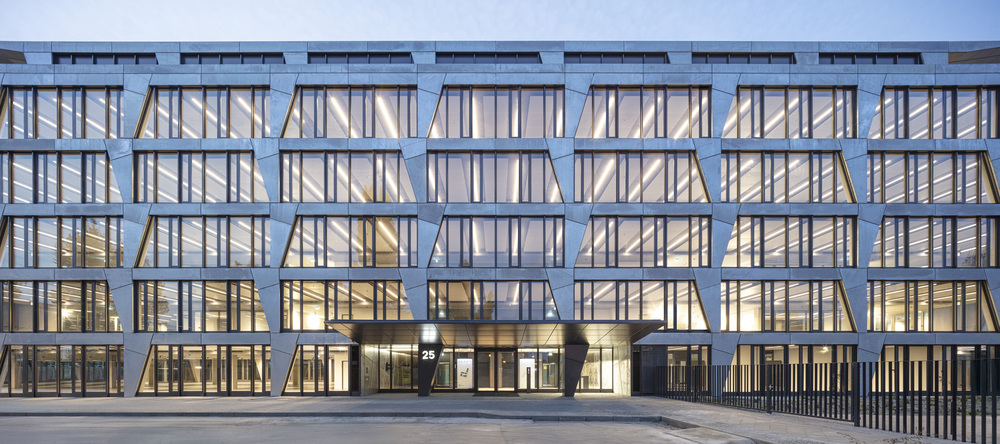
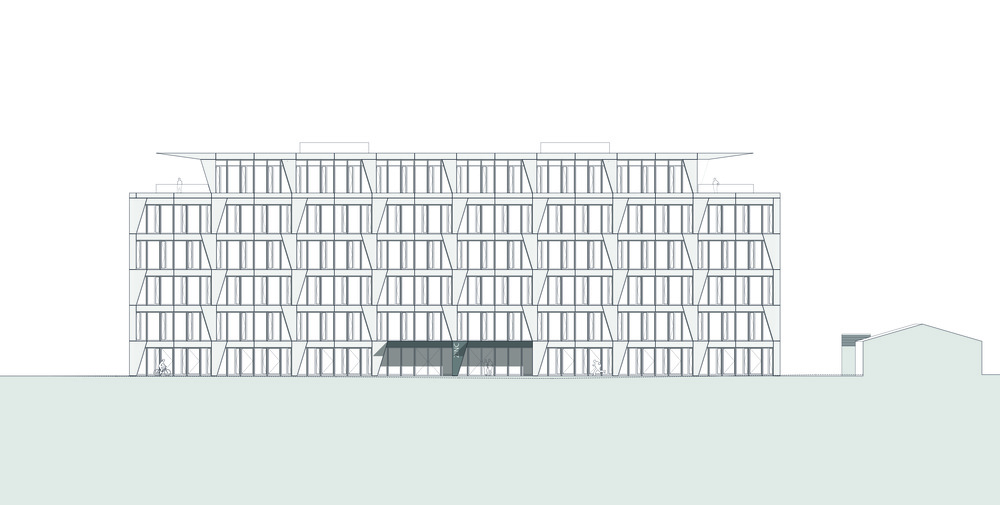
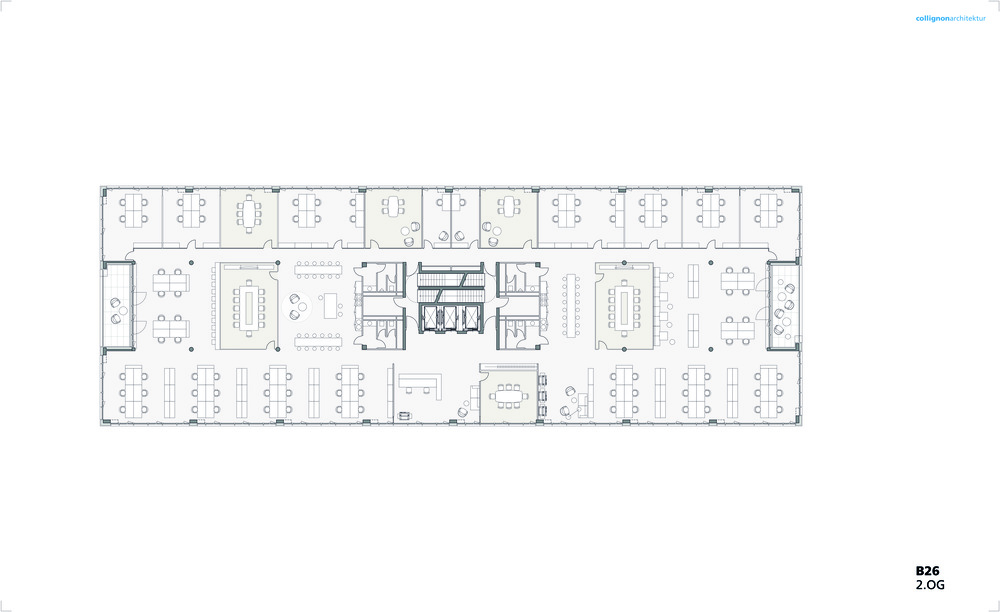
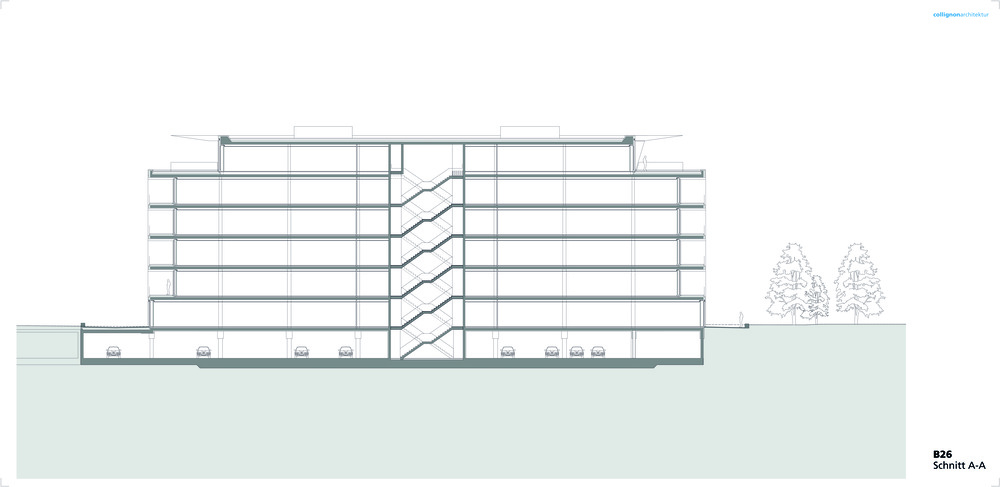
Pandion OFFICEHOME Zinc is conceived as a highly flexible office building with a deep floor plate of approximately 23 m and an overall length of up to 76 m . A single central core provides access to large, uninterrupted floor areas that can be subdivided to accommodate focused work, collaborative zones and project-based activities. A long-span structural system supports this adaptability and allows internal layouts to evolve over time.
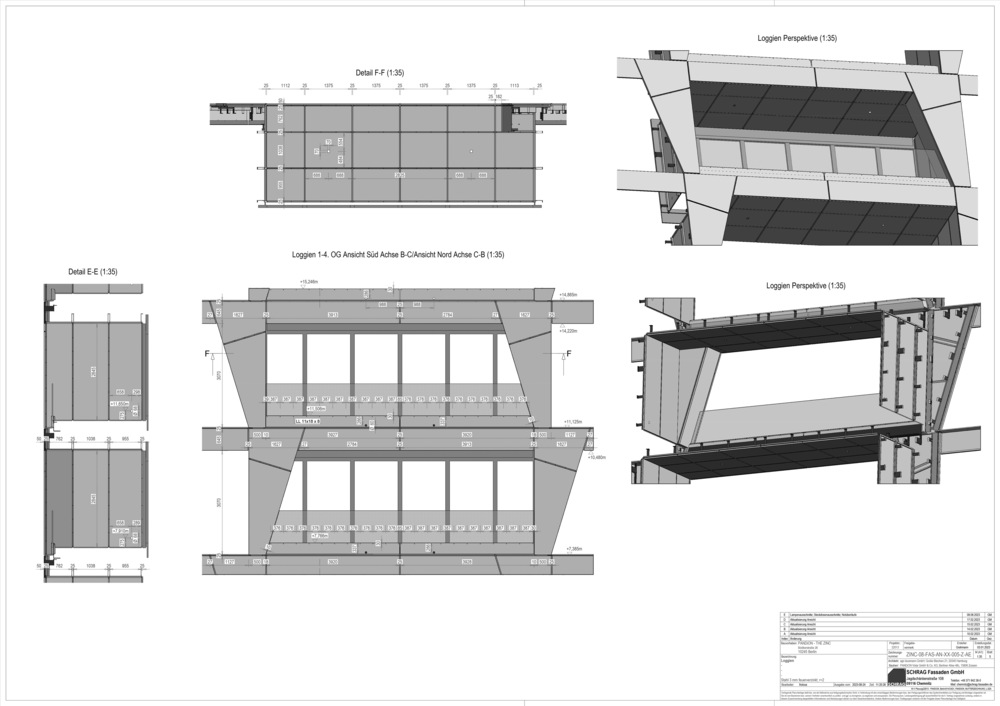
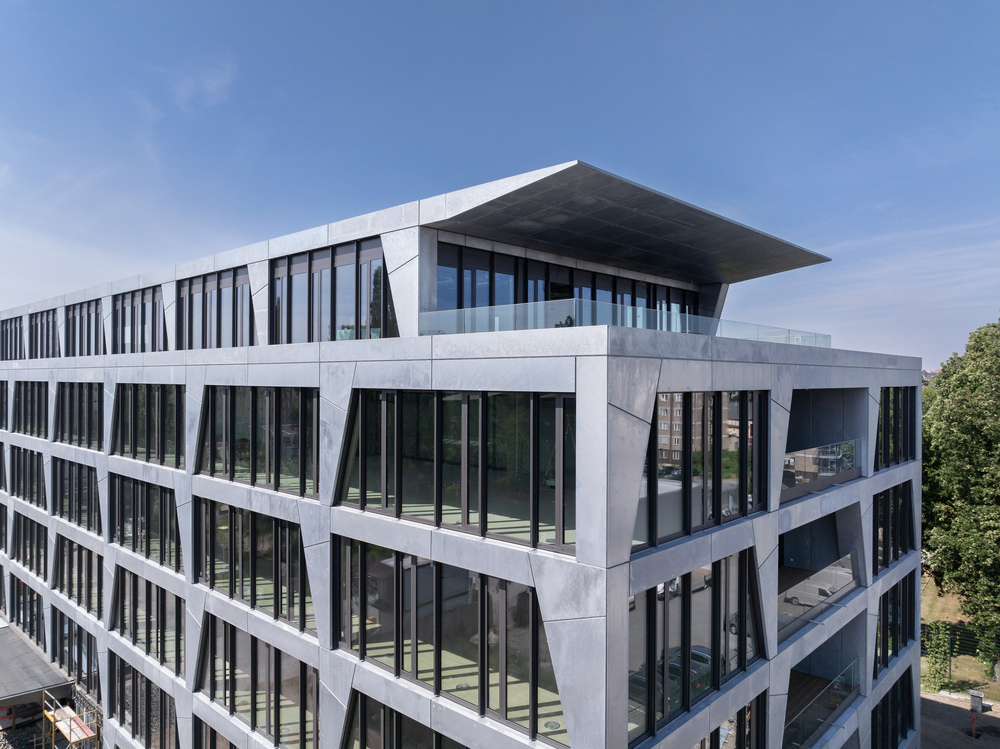
The depth of the floor plate places particular emphasis on daylight provision. As a result, the façade is not treated solely as an enclosure, but as a functional response to internal performance requirements. Large areas of full-height glazing maximise daylight penetration. To accommodate these openings without introducing perimeter beams, trapezoidal façade columns are used to reduce slab spans along the building edge. The structural strategy therefore directly informs the architectural expression of the façade.
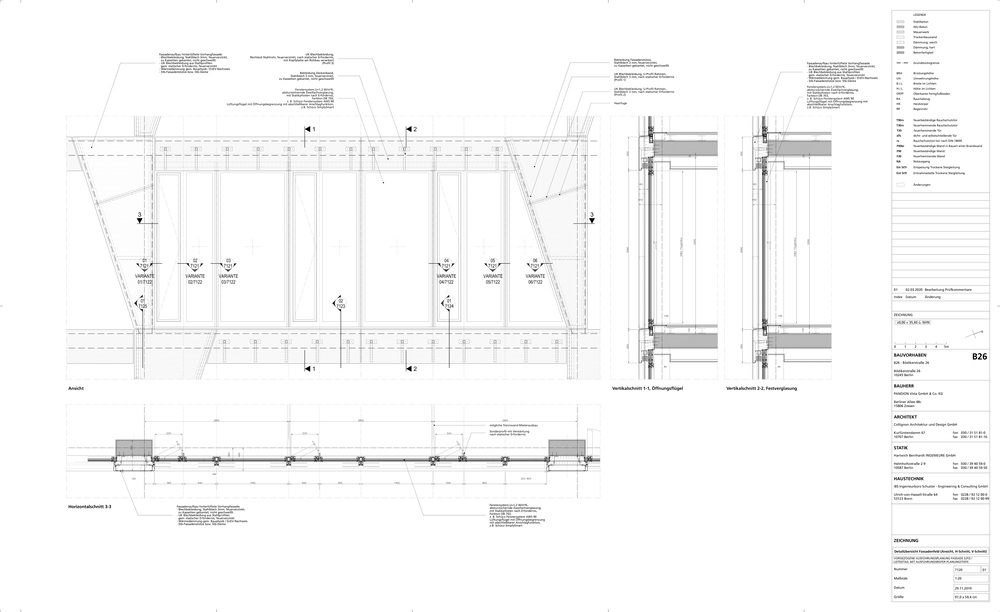
The glazing follows a 1.40 m structural grid, allowing internal partitions to align at every second bay. Slim, full-height opening lights provide natural ventilation, while opening restrictors serve as fall protection. In this way, the façade responds to structural, environmental and spatial requirements within a single, coordinated system.
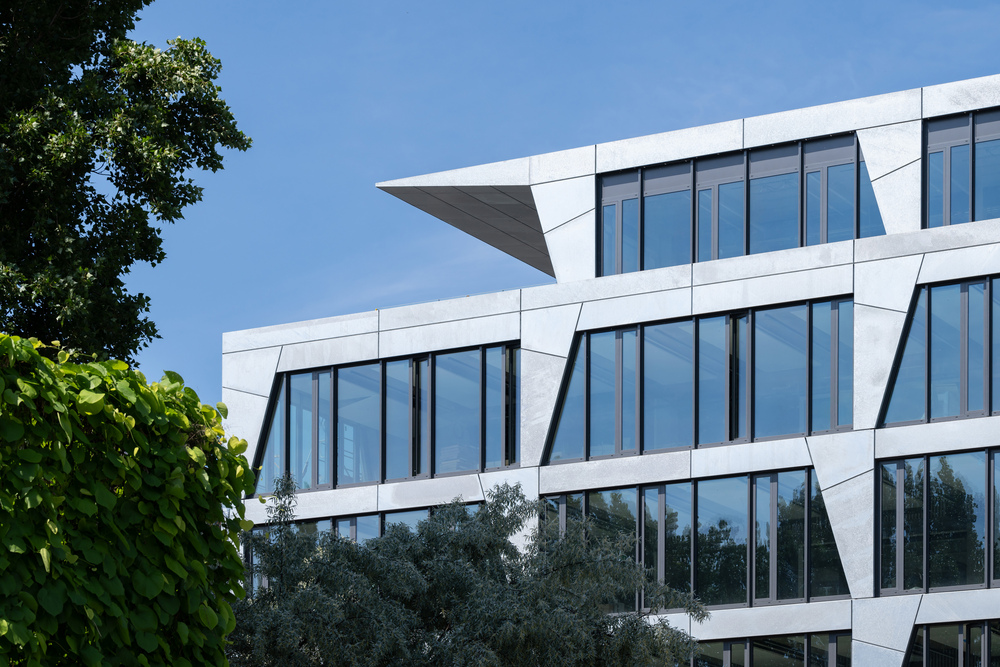
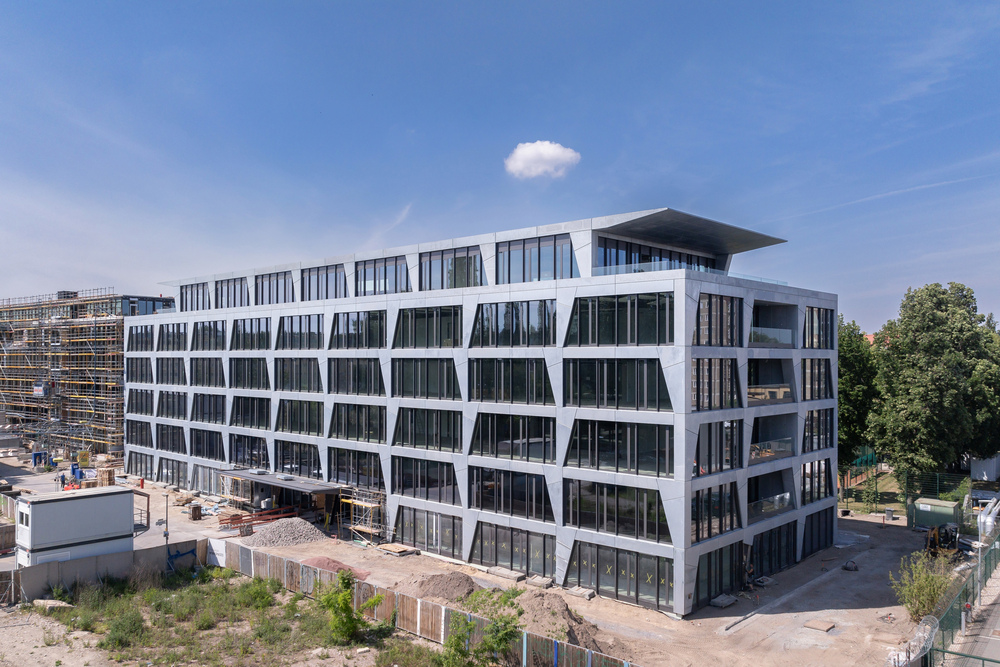
The six-storey building is clad throughout with large panels of hot dip galvanized steel sheet. This material choice provides more than weather protection. It references the industrial history of the site while offering a consistent and durable external finish.
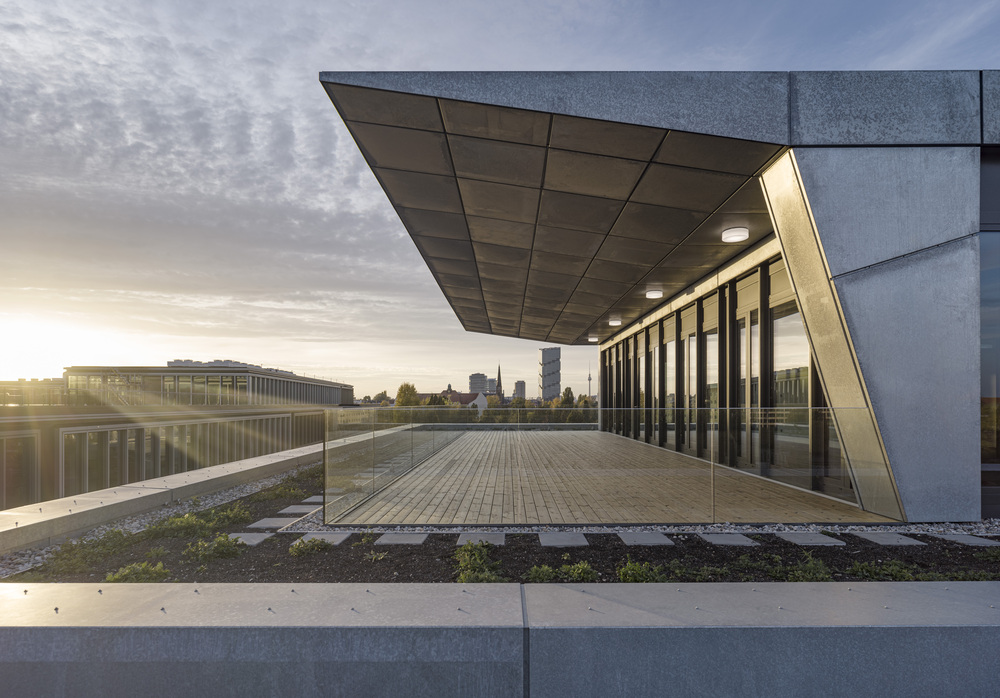
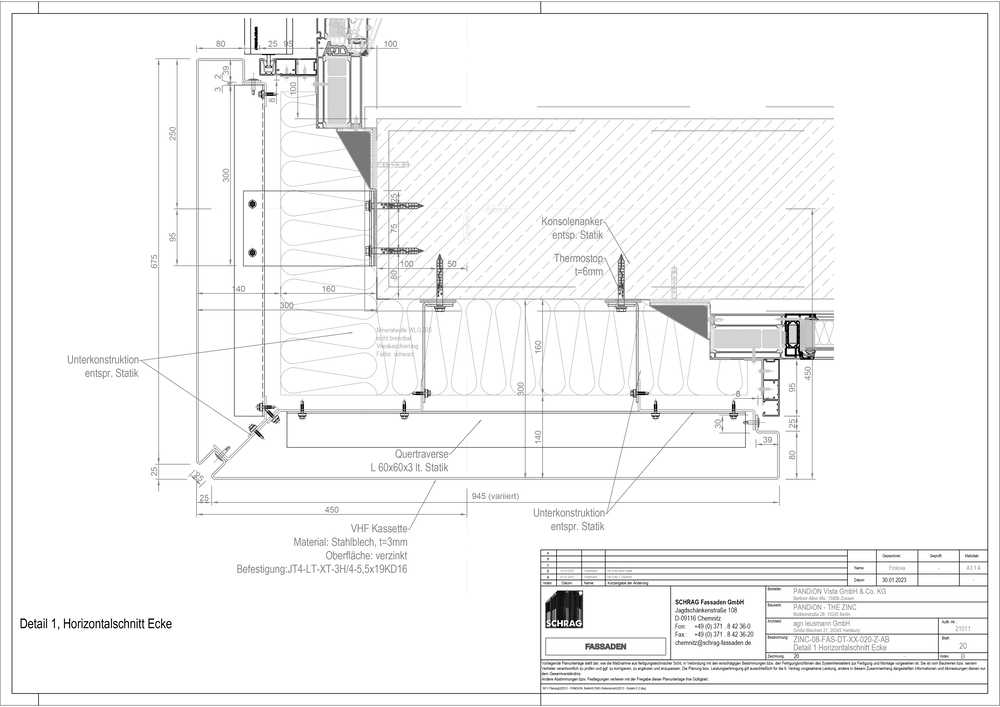
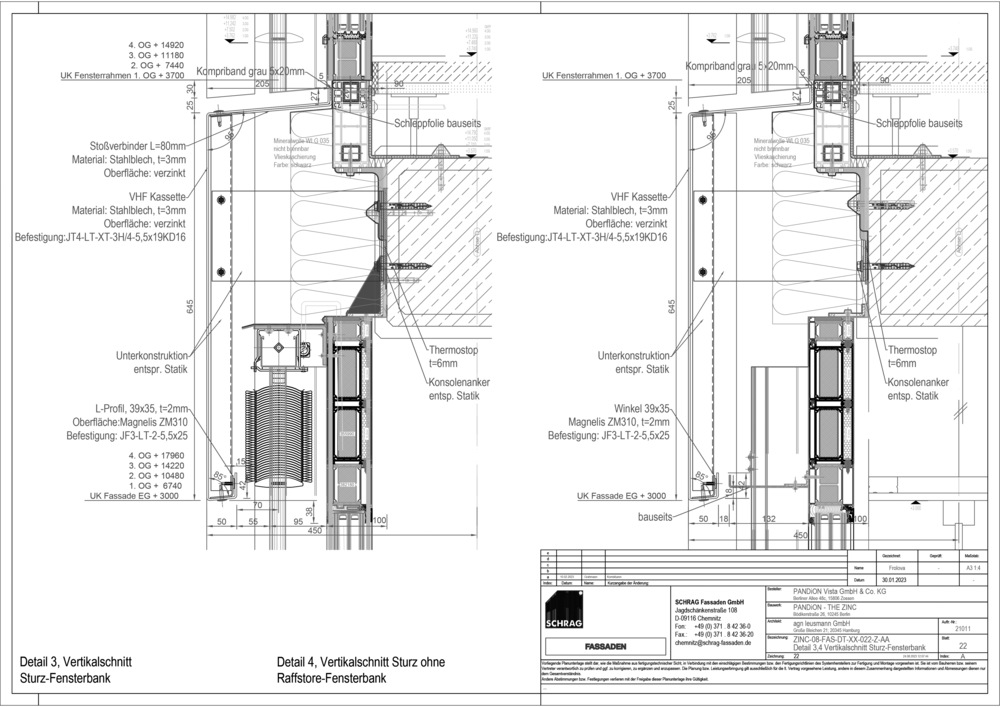
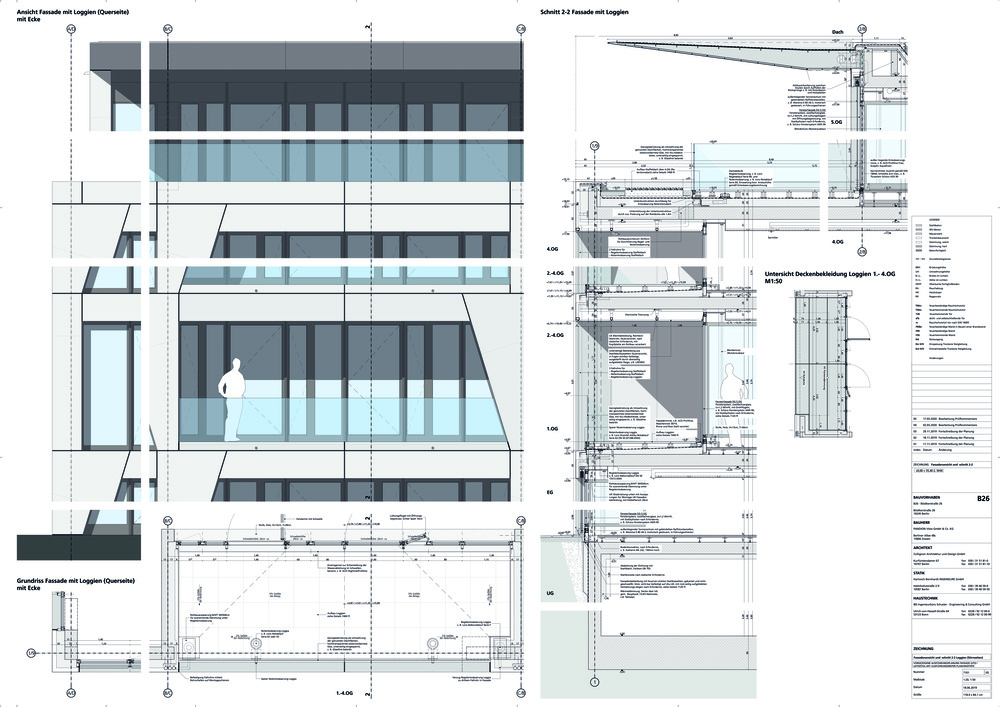
Panels formed from 3 mm thick hot dip galvanized steel are used not only on the external façade but also across key areas of the building where users interact with the building. These include the undersides and edges of roof terraces, the internal soffit surfaces of loggias, and interior areas of the entrance lobby, including ceiling elements with integrated lighting. As a result, galvanized steel is experienced as both an external envelope and an internal architectural surface.
The galvanizing provides long-term corrosion protection to all façade components, including mechanically stressed fixing points. The use of repeating panel formats and a consistent façade grid allows a high degree of prefabrication. Windows and galvanized steel cladding elements can be manufactured in parallel and installed efficiently on site, supporting build quality, programme certainty.
The visual characteristics of the galvanized surface are intentionally retained. The façade displays natural variation across the zinc coating, with subtle differences in tone and reflectivity. This variation is treated as an inherent material quality rather than a defect, contributing visual depth without reliance on applied finishes.
No additional paint or colour coating is applied. The hot dip galvanizing serves as both the protective system and the finished surface. This reduces construction steps and avoids the need for recoating during the service life of the façade. From a whole-life perspective, the long-term performance of galvanized steel is well understood and predictable, offering a high level of confidence for designers and building owners.
The hot dip galvanized steel elements form part of the building’s wider sustainability strategy. The project is designed to achieve DGNB Gold certification and WiredScore Gold, and is based on the Efficiency House 55 standard. While these frameworks are specific to Germany, the underlying principles align with approaches familiar to UK and Ireland audiences, including BREEAM and whole-life performance assessment.
Key sustainability measures include the use of district heating, mechanical ventilation with heating and cooling delivered via ceiling panels, photovoltaic installations at roof level, and rainwater management through green roofs and retention areas.
Within this context, the façade contributes through durability, low maintenance and recyclability. Both steel and zinc can be recycled at end of life, while the long service life of the galvanizing reduces the need for replacement and associated resource use. The robustness of the façade also supports adaptability where future changes in use or tenancy occur. Hot dip galvanizing is therefore integrated into a broader resource efficiency strategy rather than treated as an isolated technical solution.
![Deutschland, DEU, Berlin, 02.05.2024, Pandion OfficeHome Zinc, ein Projekt von Collignon Architektur, Berlin [©Linus Lintner Fotografie, www.linus-lintner.de, Tel. +49 30 264 15 71, mail@linus-lintner.de; Veroeffentlichung nur gegen Honorar, Urhebervermerk und Beleg / permission required for reproduction, mention of copyright, complimentary copy; Bankverbindung / bank account and sorting code: GLS Gemeinschaftsbank, Kto 114 581 9900, BLZ 430 609 67; IBAN: DE 8743 0609 6711 4581 9900, BIC: GENODEM1GLS, U.St.ID / V.A.T.: DE 155 512 142]](https://hdgmagazine.galvanizing.org.uk/wp-content/uploads/2025/12/contemporary-office-building-4.jpg)
Project Information
Architect: CollignonArchitektur
© Linus Lintner
- London
- London
- Germany
- Suffolk
- Rosenheim
- London
- Berlin, Germany
- London