
Socially inclusive architecture in Rosenhein
Socially inclusive architecture
Inclusion may be a political aspiration, yet its translation into built form remains a challenge in many places. The Wendelstein Workshops in Rosenheim, Upper Bavaria, demonstrate how inclusive architecture for people with physical or cognitive disabilities can be delivered with both functional rigour and architectural clarity. Designed by studio lot (Altötting) and opposite office (Munich) in collaboration with hanfstingl architekten (Neuötting), the new building brings together function, structure and materiality to form a coherent and confident ensemble.
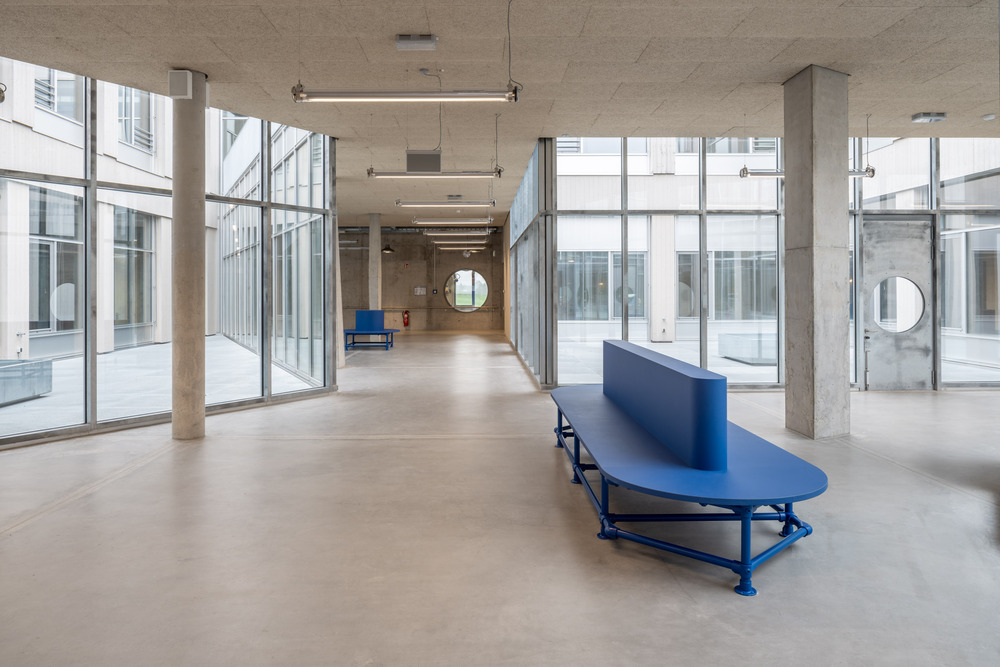
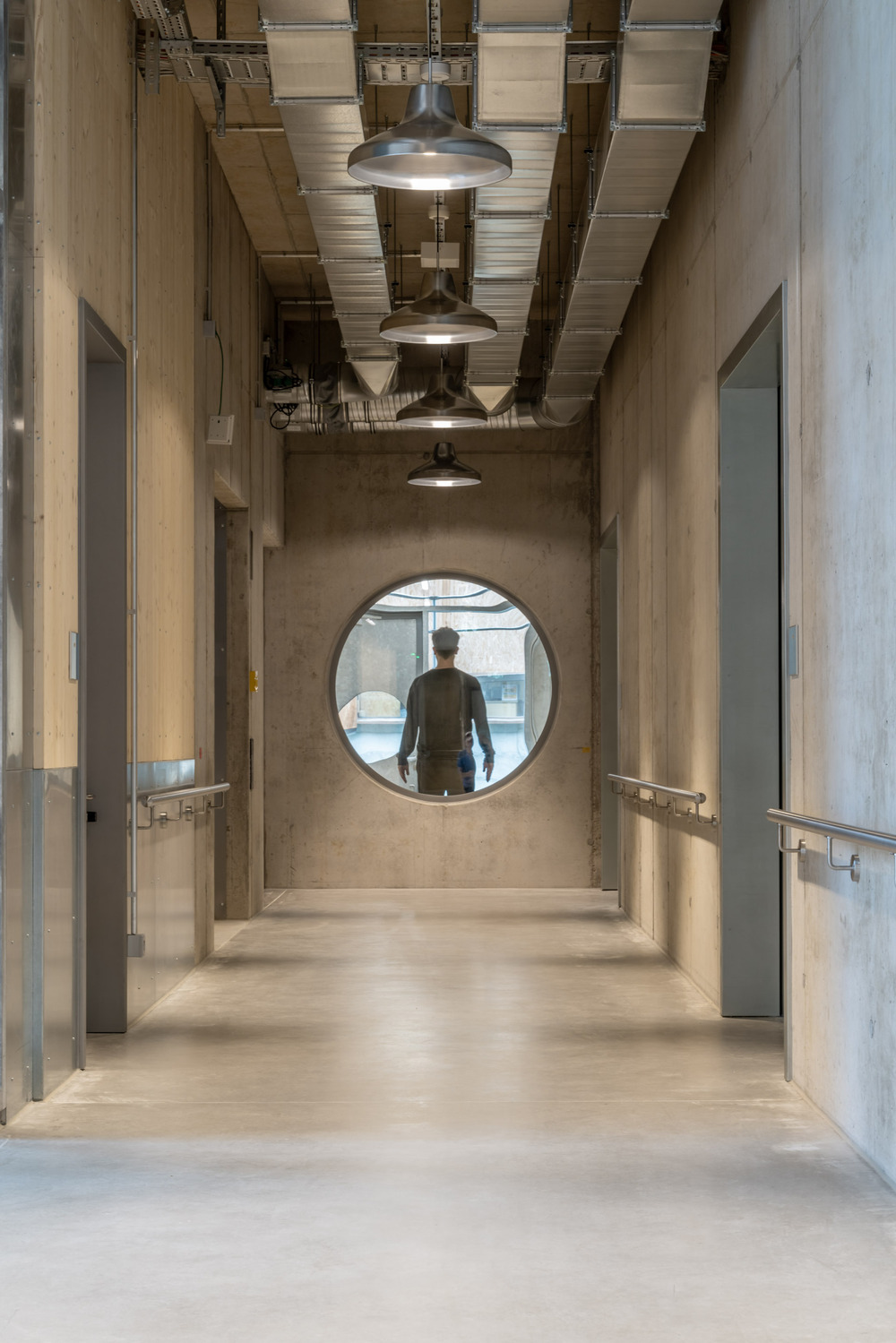
The building provides 120 workplaces, as well as a support centre for 24 people with significant care needs. Three distinct internal courtyards; circular, square and triangular, structure the building, drawing daylight deep into the interior and supporting wayfinding. A ring-shaped circulation route organises the different working areas and promotes permeability without creating unnecessary complexity. Large areas of glazing establish visual connections across levels, balancing clarity of layout with openness. The result is a working environment shaped by light, legibility and an intuitive spatial order.
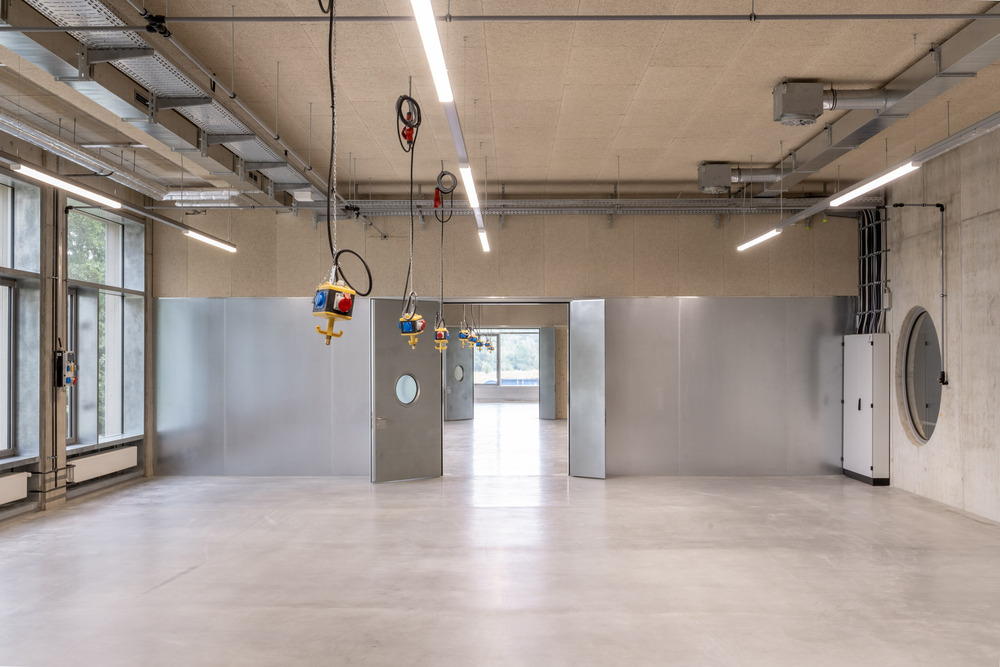
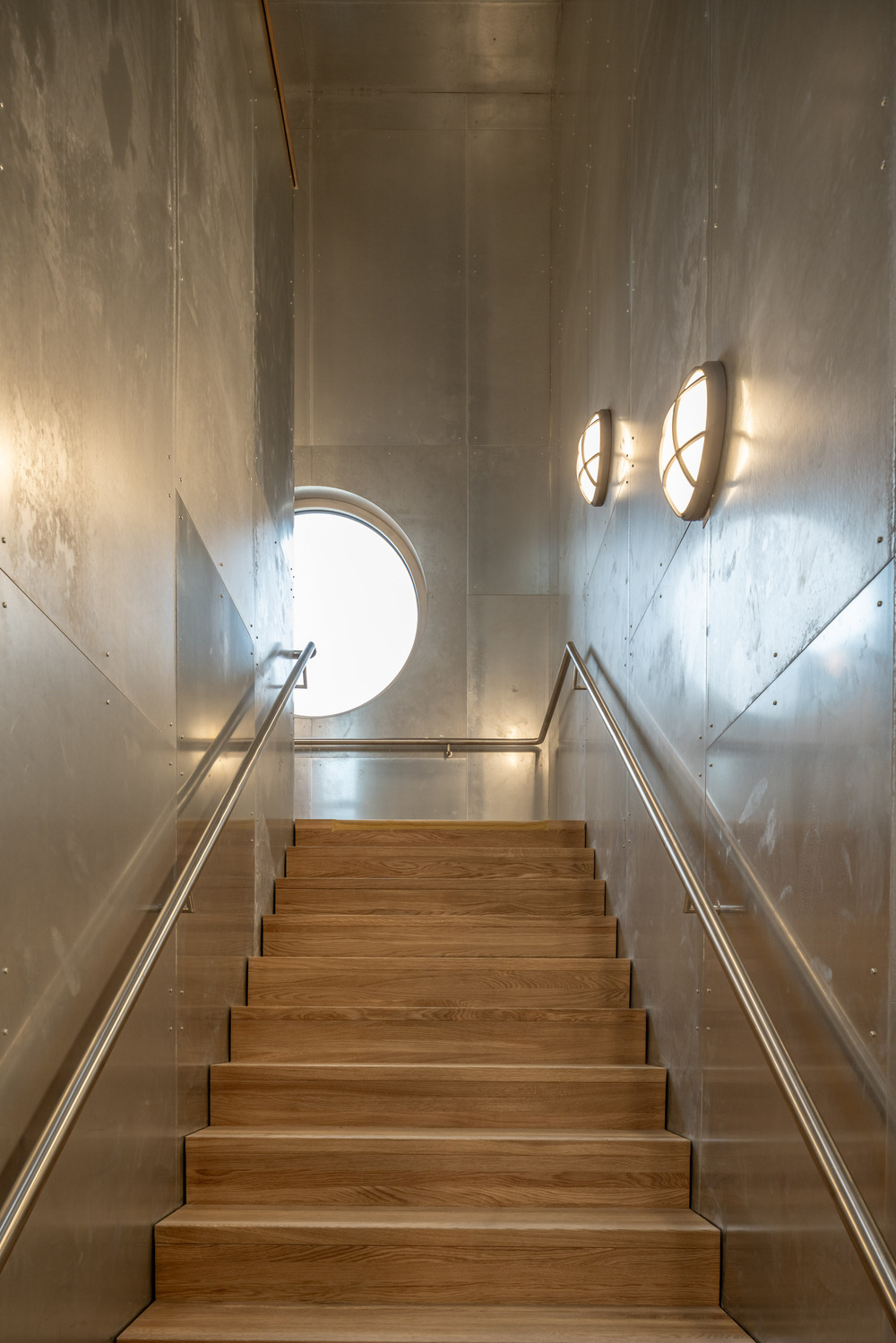
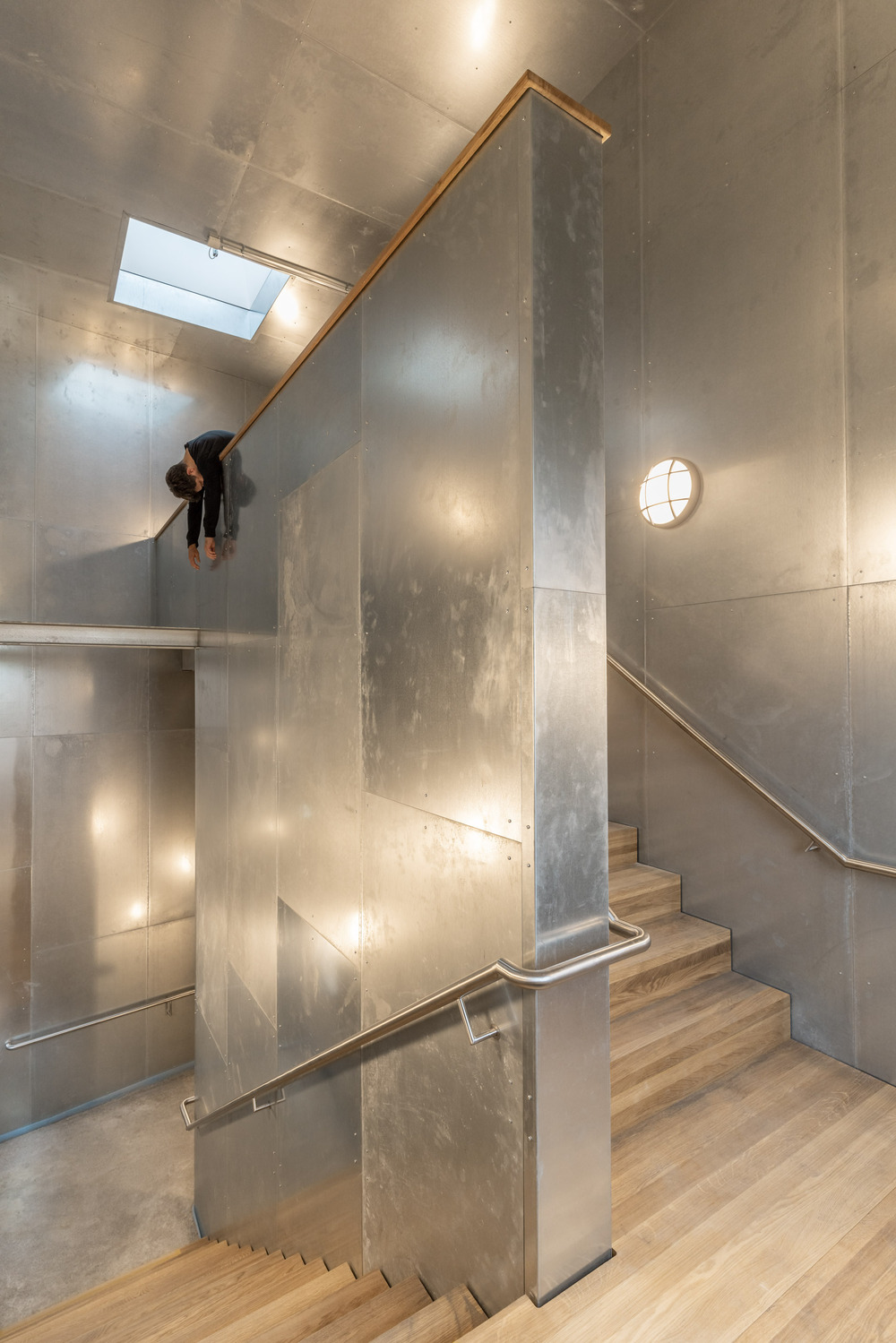
A defining feature of the project is the extensive use of hot dip galvanized steel components. The façade openings were constructed as mullion-and-transom systems using the VISS profile, complemented by bespoke window frames, balustrades and seating niches. The galvanized finish is left exposed, contributing a restrained, industrial character that suits the context: robust, durable and unpretentious. The 28 cm deep profiles perform both structural and social roles, acting as construction elements while also forming everyday touch-points that encourage sitting and interaction, reinforcing the notion of the workshop as a social space.
The pared-back material palette continues internally: fair-faced concrete, exposed services, light ceramic tiles, brushed stainless steel and selected timber linings create contrasts between technical clarity and a sense of warmth. Ancillary structures, including terrace frameworks, built-in furniture and external stair towers, were also fabricated from galvanized steel. Here, galvanizing is not treated solely as a technical process but as a design strategy that underpins the project’s visual identity and long-term performance.
The Wendelstein Workshops exemplify an architectural approach that goes beyond basic accessibility. Participation is achieved through the quality of the spaces themselves, through transparency, natural light, legible circulation and a range of atmospheric conditions.
At a time marked by constrained public budgets and increasing social responsibility, the project demonstrates that good architecture is not merely a question of resources but of attitude. The Wendelstein Workshops show that built culture can be inclusive while remaining architecturally ambitious, economically responsible and future-focused.

Project Information
© Edward Beierle
- UK & Ireland
- Clevedon, England
- UK & Ireland
- UK & Ireland
- Bochum, Germany
- Putbus, Germany
- Inverkip, Scotland
- Rhineland, Germany
- Belfast, Northern Ireland
- London